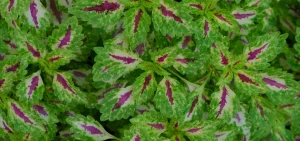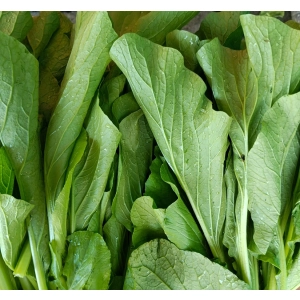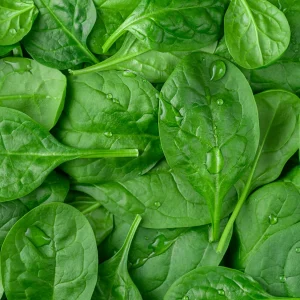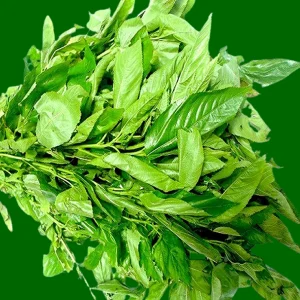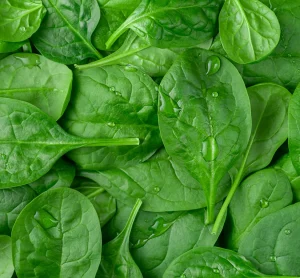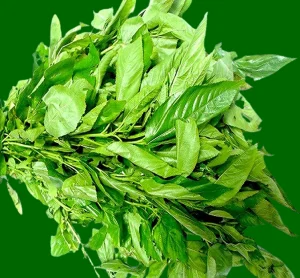

Lagos Spinach, known locally as Shoko Oko, is a popular leafy green in Nigerian cuisine. This nutritious vegetable is often used to make flavorful soups and stews, offering a delicious taste of Nigerian culture. Whether you’re familiar with West African cuisine or are just beginning to explore it, this easy-to-follow guide will teach you how to prepare Shoko Oko the traditional Nigerian way.
This dish is a great addition to your meals and can be paired with pounded yam, eba, or rice. Its rich, savory taste and vibrant green color make it a staple in Nigerian kitchens. Let’s get started!
Ingredients:
-
2 cups of fresh Lagos spinach (Shoko Oko), washed and chopped
-
1-2 tablespoons of palm oil (for that authentic Nigerian flavor)
-
1 medium-sized onion, chopped
-
2-3 cloves of garlic, minced (optional for extra flavor)
-
1-2 tablespoons of ground pepper (or Scotch bonnet pepper for heat)
-
1 tablespoon of locust beans (iru) or fermented soybeans (ogiri), optional for traditional flavor
-
1/2 cup of ground crayfish (optional but highly recommended for rich flavor)
-
Salt to taste
-
2-3 cups of water or broth (depending on how thick or soupy you prefer your dish)
-
1 tablespoon of seasoning cubes or powder (optional)
Cooking Equipment:
-
A large pot
-
A wooden spoon or spatula
-
A chopping board and knife
-
A mortar and pestle (if using whole locust beans or crayfish)
Step 1: Prepare the Lagos Spinach (Shoko Oko)
-
Begin by washing the Shoko Oko leaves thoroughly to remove any dirt or grit. Once clean, chop the spinach into bite-sized pieces. This will help the leaves cook evenly and absorb the flavors better.
Step 2: Heat the Palm Oil
-
Place a large pot on medium heat and add about 1-2 tablespoons of palm oil. Palm oil is an essential ingredient in many Nigerian dishes, giving it a distinct color and flavor.
-
Allow the palm oil to melt and heat up. You’ll notice a rich aroma as the oil becomes hot and ready for the next step.
Step 3: Sauté the Aromatics
-
Add the chopped onions to the pot with the hot palm oil. Sauté them for about 2-3 minutes until they turn golden and become fragrant.
-
If you’re using garlic, add the minced garlic and let it cook with the onions for an additional minute, stirring occasionally to avoid burning.
Step 4: Add the Locust Beans (Iru) and Crayfish (Optional)
-
Now, it’s time to add the locust beans (iru) or ogiri for a deeper, savory flavor. This step is optional but highly recommended if you want to make the dish taste authentic.
-
Stir the locust beans into the oil and let it fry for 1-2 minutes.
-
If you’re using ground crayfish, add it at this point and stir to combine. Crayfish will give your dish a wonderful depth of flavor. If you’re using whole locust beans, you can crush them using a mortar and pestle before adding them.
Step 5: Add the Ground Pepper
-
Next, add the ground pepper or Scotch bonnet pepper to the pot. This is where the heat comes from in the dish, so adjust the amount of pepper to your taste preference.
-
Stir everything together to ensure the flavors are well mixed. Let it fry for 2 minutes to infuse the oil with the pepper’s heat.
Step 6: Add the Lagos Spinach (Shoko Oko)
-
Now it’s time to add the washed and chopped Shoko Oko leaves to the pot. The spinach will begin to wilt and release its moisture, so don’t worry if it looks like there’s too much at first.
-
Stir the spinach into the oil and other ingredients, allowing it to cook for about 2-3 minutes. You’ll notice that the spinach will shrink as it softens.
Step 7: Add Water or Broth
-
Pour in about 2-3 cups of water or broth (chicken or vegetable broth works well) to create a stew-like consistency. If you prefer a thicker dish, use less water; if you want it more soupy, add more.
-
Stir well and bring the mixture to a gentle boil. Let it simmer for about 5-10 minutes to allow the flavors to meld and the spinach to cook through.
Step 8: Season the Dish
-
Add salt to taste, keeping in mind that the locust beans and crayfish may already add some saltiness.
-
If you’re using seasoning cubes or powder, add them at this point and stir until well combined.
-
Let everything cook for another 2 minutes to allow the seasoning to blend perfectly with the spinach.
Step 9: Serve and Enjoy
-
Your traditional Lagos spinach (Shoko Oko) is now ready! You can serve it with your favorite starch—pounded yam, garri, eba, or rice. The dish can be enjoyed as a side or as a main meal, especially when paired with your favorite protein, like fish, beef, or chicken.
Tips for Cooking Lagos Spinach (Shoko Oko):
-
Alternative Vegetables: If you can’t find Lagos spinach, you can use other types of spinach or similar leafy greens. However, the flavor might vary slightly.
-
Vegan Option: Skip the crayfish, locust beans, and any animal-based broth for a completely vegan version. You can add more onions, garlic, or other spices for flavor.
-
Adjusting the Spice Level: Feel free to adjust the amount of Scotch bonnet pepper according to your spice tolerance. Nigerian dishes are known for their heat, but you can reduce the pepper for a milder dish.
-
Storage: This dish can be stored in the fridge for up to 3-4 days. Reheat it when ready to serve. However, it’s best enjoyed fresh.
Conclusion:
Cooking Lagos spinach (Shoko Oko) the traditional Nigerian way is an easy and rewarding process that results in a delicious, nutrient-packed meal. Whether you’re new to Nigerian cuisine or a seasoned cook, this dish is sure to be a hit. With its rich flavors, vibrant color, and versatility, Shoko Oko is a dish you’ll love preparing and sharing with friends and family. Enjoy the experience of cooking Nigerian food and add a touch of West African flavor to your meals today!