Transplanting Into a Hydroponic System: A Step-by-Step Guide from a Hydroponic Farmer
As a hydroponic farmer and owner of a business that sells freshly produced vegetables like Ewedu, Efo Tete, and Shoko Oko, I can confidently say that the transplanting process is one of the most crucial stages in hydroponic farming. This is where we take young seedlings or cuttings from soil-based or other systems and place them into our hydroponic system to grow to maturity. Over the years, I’ve learned that transplanting is both an art and a science, and doing it right can make all the difference in achieving a healthy, abundant crop.
In this post, I’ll walk you through the process of transplanting into a hydroponic system, sharing insights from my experience in the business. Whether you’re growing Ewedu, Efo Tete, Shoko Oko, or any other vegetable, this guide will help you set up your hydroponic system for success.
1. Prepare the Hydroponic System
Before you begin transplanting, it’s essential that your hydroponic system is ready. Hydroponic systems rely on the precise delivery of nutrients and water, so preparation is key. Here’s what you need to check:
-
Water pH and Nutrient Solution: Ensure your nutrient solution is mixed correctly and that the pH level is within the optimal range for plant growth (typically 5.5 to 6.5). For leafy greens like Ewedu, Efo Tete, and Shoko Oko, the pH plays a significant role in nutrient absorption.
-
Clean the System: Make sure your hydroponic system, whether it’s deep water culture (DWC), nutrient film technique (NFT), or any other type, is clean and free from debris. A clean system helps to prevent diseases and ensures that your plants get the best environment possible.
-
Check Water Levels: Ensure that the water is at the right level for your plants. For most hydroponic systems, the water level should just touch the roots of your seedlings, providing them with enough moisture but not drowning them.
2. Choose Healthy Seedlings
The success of transplanting begins with the seedlings you choose. Healthy seedlings are crucial for ensuring a successful transplant. Here’s what I look for in my young plants:
-
Strong Roots: Look for seedlings with white, healthy roots. If the roots are weak or discolored, they may struggle to establish themselves in the hydroponic system.
-
Disease-Free: Always ensure that your seedlings are free from pests, diseases, and mold. If you’re purchasing seedlings from another source, inspect them thoroughly before introducing them to your hydroponic system.
For crops like Ewedu, Efo Tete, and Shoko Oko, I source my seedlings from trusted local farms or propagate them myself to ensure the highest quality. If you’re starting from seeds, be sure to germinate them in a soil-free environment, using trays with a growing medium like coconut coir or peat.
3. Transplanting the Seedlings
Transplanting into the hydroponic system is a delicate process, and it’s important to handle the seedlings with care. Here’s how I do it:
-
Remove the Seedlings from the Growing Medium: Gently pull the seedlings out of their initial growing medium (soil or starter cubes). Be careful not to damage the delicate roots. If you’re using a medium like rock wool or peat pellets, carefully remove any excess material from the roots.
-
Rinse the Roots: It’s crucial to rinse the roots thoroughly to remove any soil particles or contaminants. Soil can introduce unwanted pathogens and disrupt the hydroponic system. I rinse my seedlings gently under clean water, ensuring no soil or foreign particles remain.
-
Place the Seedlings into the Hydroponic System: Once cleaned, place the seedlings into the hydroponic system. For deep water culture (DWC), I ensure that the plant’s roots are submerged just enough to allow them to take up nutrients. For NFT or wick systems, the roots should be supported so they can dangle into the nutrient-rich solution without being fully submerged.
-
Support the Seedlings: Ensure the seedlings are securely placed in their respective net pots or holders. Some plants may require a little extra support, especially in the early stages of growth, to help them stand upright until their roots are fully established in the system.
4. Post-Transplant Care
After transplanting, there are a few steps to ensure the seedlings settle in well and thrive in the hydroponic environment:
-
Monitor the Water Levels: Keep an eye on the water level, ensuring that the roots of the transplanted seedlings remain in contact with the nutrient solution, but not too submerged.
-
Proper Lighting: I use full-spectrum grow lights to mimic natural sunlight, ensuring that the seedlings receive adequate light for photosynthesis. During the early stages, it’s important to provide around 12-16 hours of light per day to help the seedlings grow strong and healthy.
-
Maintain Humidity: For young seedlings, maintaining a higher level of humidity can help with root development. In my setup, I often use humidity trays or misters to maintain optimal moisture in the air, especially in the early days post-transplant.
-
Watch for Stress Signs: After transplanting, keep a close watch on the plants. If they’re showing signs of stress—like wilting, yellowing leaves, or stunted growth—it could indicate problems like nutrient deficiencies, poor pH, or inadequate lighting.
5. Harvesting and Selling Fresh Vegetables
One of the biggest joys of hydroponic farming is the ability to harvest fresh, high-quality vegetables year-round. After transplanting and caring for your crops, you’ll soon see the fruits of your labor. I grow varieties like Ewedu, Efo Tete, and Shoko Oko because they are fast-growing, highly nutritious, and in high demand.
For example:
-
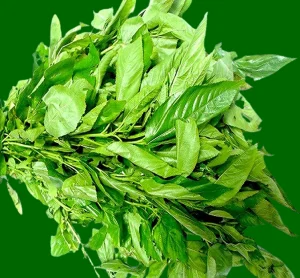
Ewedu is used in delicious soups and is known for its health benefits, making it a staple in many households.
-
Efo Tete (Amaranth) is packed with nutrients like iron, calcium, and vitamins A and C, perfect for adding to salads or stews.
-
Shoko Oko (Lagos Spinach) is rich in antioxidants and adds a unique flavor to meals.
Once your plants have matured, it’s time to harvest and deliver fresh, nutrient-packed produce to your customers, ensuring they have access to the healthiest vegetables, no matter the season.
Conclusion
Transplanting into a hydroponic system may seem like a technical process, but with the right preparation, care, and attention, it’s a rewarding experience. By following these steps, you can ensure that your crops, such as Ewedu, Efo Tete, and Shoko Oko, thrive in their new hydroponic environment and deliver fresh, high-quality vegetables all year long. As a hydroponic farmer and supplier, there’s nothing more satisfying than seeing healthy plants grow and providing customers with the best vegetables, consistently.
So, if you’re considering hydroponics for your own business or garden, remember: transplanting is a vital step. With the right care, your hydroponic system can yield abundant, fresh vegetables no matter the season!